

A DIY Homeowner's Guide to Condensate Drain Line Maintenance
If your air conditioner is leaking water, shutting off unexpectedly, or giving off a musty smell, there’s a good chance that your HVAC condensate drain line is clogged. This is one of the most common (and most preventable) problems homeowners face with their air conditioning systems.
The good news? You don’t need to be an HVAC expert to keep your drain line clear. With a basic understanding and routine upkeep, you can prevent costly water damage and AC breakdowns.
This guide covers what the condensate drain line does, why it clogs, how to spot problems, and how to clean it safely.
Important Safety Note for Homeowners
HVAC systems have electrical components, water drainage, and mechanical parts that require careful handling. While many homeowners can manage basic maintenance, it's important to know your limits. If you're unsure about any part of the process, can't access the condensate drain line easily, or still notice leaks after doing routine upkeep, it’s a good idea to call a licensed HVAC professional. Attempting repairs you're not comfortable with can lead to personal injury, property damage, or even costlier repairs down the road. When in doubt, getting professional help is always the safest choice.
What Is an HVAC Condensate Drain Line?
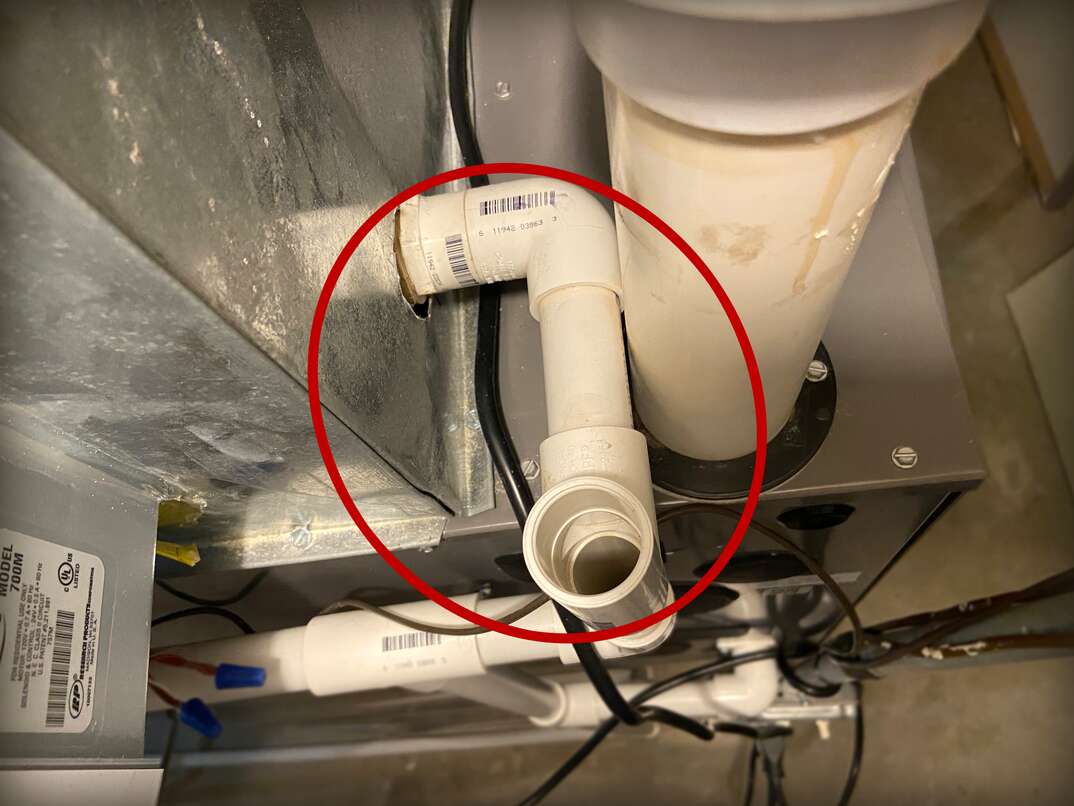
Your AC doesn’t just cool the air, it also removes moisture. As warm air passes over the evaporator coil, water forms and collects. This water then drains into a condensate pan and leaves your home through the PVC condensate drain line. If the drain line gets clogged, the water can’t escape and will either back up into the system or overflow into your home.
Why Condensate Drain Lines Get Clogged
Condensate drain clogs are extremely common, especially in warm or humid climates. Over time, the drain line can get clogged by:
-
Algae and biofilm
-
Slime and mold
-
Dust and debris from the evaporator coil
-
Organic particles from indoor air
Since condensate lines carry warm water, they create the perfect environment for biological buildup if left untreated.
Signs Your AC Condensate Drain Line Is Clogged
Here are some signs that your AC condensate drain line might be clogged:
-
Water pooling near the indoor AC unit
-
AC shutting off randomly (triggered by a float switch)
-
Musty or moldy odors around vents
-
Visible water in the condensate drain pan
-
Increased indoor humidity
If you ignore these signs, you could face ceiling or floor damage, or even microbial growth inside your system.

How to Clean an HVAC Condensate Drain Line (DIY Method)
Step 1: Turn Off the HVAC System
Always shut off the system at the thermostat and breaker before working on the drain line.
Step 2: Locate the Drain Line Cleanout
Most systems have a PVC cleanout tee near the air handler. Carefully remove the cap.
Step 3: Treat the Drain Line with an HVAC-Safe Drain Cleaner
For algae and slime buildup, use a non-acid, non-fuming alkaline drain cleaner made for condensate lines, like Drain Solve.
This cleaner:
-
Breaks down algae, slime, grease, and organic matter
-
Works even through standing water
-
Has no harsh fumes or reactions
-
Is safe for PVC piping and septic systems
Pour the recommended amount into the condensate drain and let it sit for 15-20 minutes before flushing with warm water.
Step 4: Flush the Line
Use warm water to thoroughly flush the line and clear out any loosened debris.
How Often Should You Clean Your AC Condensate Drain Line?
For most homes:
-
At least once a year
-
Twice a year in humid climates
-
Monthly during peak cooling season for best results
Preventative maintenance is much cheaper than fixing water-damaged drywall, ceilings, or HVAC parts.
DIY Tips to Prevent Future Drain Line Clogs
-
Replace air filters regularly to reduce debris buildup
-
Keep the evaporator coil clean
-
Make sure the condensate pan slopes toward the drain line and the drain line slopes
downward -
Use a preventative drain treatment such as Flow Treat during the cooling season
-
Schedule an annual HVAC inspection
Small habits can help prevent bigger AC problems.

A Small Maintenance Task That Prevents Big Problems
Clogged condensate drain lines are one of the leading causes of residential AC water damage, yet they’re also one of the easiest issues for homeowners to prevent.
By understanding how your HVAC condensate drain works and cleaning it with the right solutions, you can:
-
Prevent AC shutdowns
-
Avoid water leaks and mold growth
-
Extend the life of your HVAC system
-
Save money on service calls
Just a few minutes of maintenance each year can protect your home and keep your AC running smoothly all summer long.
FAQ
1. What is an HVAC condensate drain line?
An HVAC condensate drain line is a pipe (usually PVC) that carries water produced by your air conditioner's dehumidification process. This water drains from the evaporator coil through a pan and out of the home. If the line gets clogged, it can lead to water damage, system shutdowns, or mold growth.
2. What are the signs of a clogged AC drain line?
Signs of a clogged drain line include:
-
Water pooling near the indoor unit
-
An AC that shuts off unexpectedly
-
Musty or moldy odors
-
Visible water in the condensate pan
-
Higher humidity levels inside your home
3. Why does a condensate drain line clog?
Clogs typically occur due to organic buildup like algae, mold, or biofilm, as well as dust and debris from the evaporator coil. The warm and damp conditions inside the line are ideal for growth, making it a common problem, especially in humid environments.
4. How often should I clean my HVAC condensate drain line?
At minimum, you should clean your condensate drain line once per year. In more humid climates or if the AC is used heavily, consider cleaning it twice per year. You can also apply a preventive cleaner during peak cooling months to reduce the chances of buildup.
5. How do I unclog an AC condensate drain line myself?
To clean your condensate drain line:
-
Turn off the power to the HVAC system.
-
Locate the cleanout tee and check for blockages.
-
Use an HVAC-safe cleaner (such as Drain Dissolve) or a wet/dry vacuum to clear the line.
-
Flush the line with warm water to remove debris. If the clog persists or you’re unsure about the process, call a licensed HVAC technician for assistance.
6. Can a clogged condensate drain line shut off my air conditioner?
Yes, a clogged condensate drain line can trigger the safety float switch, which will shut off the AC system to prevent overflow. This is a feature that may or may not be built-in to your system to avoid water damage.
7. Is it safe to pour chemicals into a condensate drain line?
Only use chemicals specifically designed for HVAC condensate lines. Avoid mixing chemicals or using harsh drain cleaners that may damage the piping. If you’re unsure, consult a professional for recommendations.
8. What should I do if my air conditioner is leaking water inside the house?
First, turn off the HVAC system to prevent further water damage. Check the condensate pan and drain line for clogs. If the water leak continues or you find damage to the pan, coils, or drain configuration, contact an HVAC technician for professional help.
9. Does vinegar work to clean an AC drain line?
Vinegar can help prevent buildup in the condensate line, but it may not be effective for clearing heavy slime or stubborn clogs. For recurring problems or more serious blockages, use a specialized HVAC drain treatment such as Drain Dissolve or Flow Treat Tabs, or call a
technician.
10. When should I call an HVAC professional for a clogged drain line?
If you can’t access the drain line, the clog keeps recurring, or the system continues to shut off, it’s time to call a professional. Technicians can inspect the system, clean the drain line thoroughly, and ensure everything is functioning correctly to prevent future issues.
Before you go
Here are a few handpicked articles to inspire your next self-care moment.


